
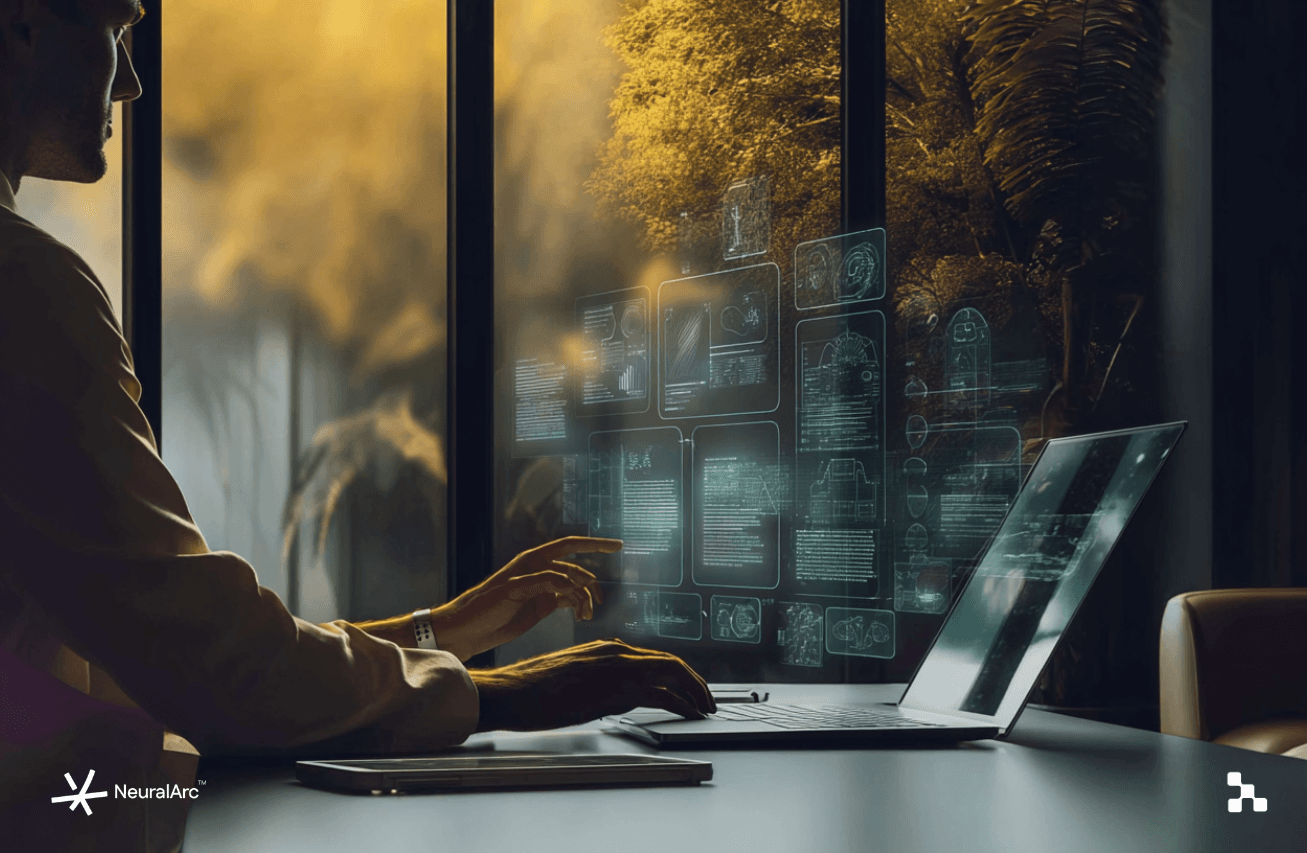
The dawn of artificial intelligence has ushered in an era of unprecedented technological advancement, sparking both excitement and trepidation across various industries. Among the most discussed concerns is the potential impact of AI on human creativity. Will algorithms render artists, writers, and designers obsolete? The reality, however, points towards a far more collaborative and enriching future. Rather than replacing human ingenuity, AI is poised to amplify it, paving the way for cognitive collaboration – a dynamic partnership between human minds and machine intelligence.
Understanding Cognitive Collaboration
Cognitive collaboration is the synergistic process where humans and AI work together to achieve creative goals. It leverages the strengths of both: human intuition, emotional intelligence, and abstract thinking, combined with AI's analytical capabilities, vast knowledge base, and pattern recognition skills. This partnership is not about replacing human creativity but rather augmenting it, allowing us to explore new possibilities and push the boundaries of innovation.
One of the key aspects of cognitive collaboration is the ability of AI to automate repetitive tasks, freeing up human creators to focus on higher-level strategic thinking and artistic expression. For instance, an AI-powered tool can generate variations of a design concept, allowing a designer to quickly iterate and refine their vision. Similarly, AI can assist writers by suggesting alternative phrasing, identifying inconsistencies in tone, or even generating entire drafts, which can then be edited and personalized by the writer.
AI as a Creative Catalyst
AI acts as a catalyst, accelerating the creative process. Think of it as a super-powered assistant capable of handling mundane tasks, providing instant feedback, and even generating entirely new ideas. This allows creators to focus on the core elements of their work: conceptualization, emotional resonance, and the unique human perspective they bring to the table. AI can analyze vast datasets, identify emerging trends, and offer insights that would be impossible for a human to uncover alone.
- Generating Ideas: AI can provide novel concepts, themes, and variations on existing ideas.
- Automating Tasks: AI can handle repetitive and time-consuming tasks, freeing up human creators.
- Providing Feedback: AI can offer instant feedback on design choices, writing style, and artistic composition.
Examples of AI-Amplified Creativity
The practical applications of cognitive collaboration are already transforming various creative domains. In music, AI tools can generate melodies, harmonies, and entire arrangements, allowing composers to experiment with new sounds and styles. In visual arts, AI can assist in creating stunning digital paintings, photo manipulations, and 3D models. The integration of AI is democratizing access to creative tools, empowering individuals with limited technical skills to express their artistic visions.
Here are a few examples:
- AI-powered design tools: These tools assist designers in creating logos, websites, and marketing materials.
- AI-assisted writing platforms: These platforms help writers generate content, improve their writing style, and optimize their work for SEO.
- AI-generated art: AI algorithms can create stunning visual art based on user-defined parameters.
The Human Element Remains Paramount
While AI can undoubtedly augment human creativity, it is essential to remember that the human element remains paramount. AI is a tool, and like any tool, its effectiveness depends on the skill and vision of the user. AI lacks the emotional depth, empathy, and nuanced understanding of human experience that are essential for creating truly impactful and meaningful art.
AI is a powerful tool, but it is only as good as the human who wields it.
The Future of Creativity: A Symbiotic Relationship
The future of creativity lies in a symbiotic relationship between humans and AI. As AI technology continues to evolve, it will become an increasingly integral part of the creative process. This will require a shift in mindset, from viewing AI as a threat to recognizing its potential as a powerful collaborator. We must embrace the possibilities of cognitive collaboration, empowering ourselves to explore new creative horizons and unlock unprecedented levels of innovation. Ultimately, the true potential of AI lies in its ability to amplify the unique strengths of human creativity, not to replace them.
This collaboration will not only enhance the quality and efficiency of creative work but also make creativity more accessible to a wider range of individuals. By lowering the barriers to entry, AI can empower aspiring artists, writers, and designers to realize their creative potential. The key to success lies in understanding how to effectively leverage AI's capabilities while retaining the core values of human artistry: originality, emotion, and personal expression.
AI is not the death knell of human creativity but rather its renaissance. By embracing cognitive collaboration, we can unlock new levels of innovation, democratize access to creative tools, and shape a future where human imagination and artificial intelligence work in harmony to create a more beautiful, meaningful, and innovative world.